
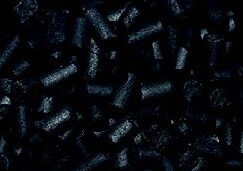
An activated carbon filter is your “odor and gas shield” in extraction technology: it binds volatile organic compounds (VOCs) and unpleasant odors that arise in many processes—for example, during soldering, gluing, cleaning, or when working with plastics. To ensure that your TBH extraction system works reliably, it is crucial to replace the activated carbon filter in good time.
Typical signs: When is it time?
There are three classic signs that occur particularly frequently in practice:
- Unpleasant odors in the workplace despite the system being in operation
- Rising measured values (e.g., in internal or external air measurements)
- A year has passed – even without noticeable symptoms
At this point at the latest, the following applies: Replace the activated carbon filter.
Replacement interval: usage is decisive
How often the activated carbon filter should be replaced depends heavily on the application – for example, on:
- Type and concentration of pollutants
- Operating times and utilization
- Environmental influences (temperature, humidity)
- Pre-filter condition (dust exposure affects service life)
TBH recommends at least one change per year – in intensive applications, a shorter cycle may be advisable.
Important: Activated carbon filter is not shown on the display
In many systems, the activated carbon filter is not monitored separately on the display. This means that the replacement must be actively included in the maintenance schedule and organized accordingly – e.g., via inspection intervals, maintenance lists, or internal QM specifications.
Safety first: Only replace with PPE when handling hazardous substances
If your system separates hazardous substances, the following applies:
Only change filters with personal protective equipment (PPE) and in accordance with internal safety specifications (e.g., operating instructions, risk assessment).
We recommend following this procedure:
Check – replace – pack securely – dispose of properly.
Disposal & documentation: Please remove cleanly
Activated carbon filters may be contaminated depending on the application and must be treated accordingly.
Dispose of filters properly via your environmental officer or the responsible department in your company – including documentation (e.g., disposal certificate, internal log, maintenance log). This ensures safety, transparency, and compliance.
Conclusion
A fresh activated carbon filter ensures reliable protection of air quality, reduces odors, and helps to keep measurement results stable. By taking the use of the system into account, firmly anchoring the filter in the maintenance schedule, and paying attention to occupational safety and correct disposal when changing it, you can ensure that the system runs optimally again – and your employees work in clean air.
Our video on the topic: https://youtube.com/shorts/IzSGeYTEowM
If you need assistance with maintenance intervals, filter selection, or the optimal configuration of your TBH extraction system, our team will be happy to help!
Customer area Distributor – TBH GmbH Filter and extraction systems
