


TBH-Blog

Welcome to the TBH blog! Here you will find the latest news, exciting projects, and practical insights into the world of extraction and filter technology.

Wir berichten über Messen, Innovationen, Branchenentwicklungen und geben Tipps für den optimalen Einsatz unserer Systeme.

AI generated ISO 9001 Audit passed

TBH extends certification according to DIN EN ISO 9001:2015 until 2029

TBH GmbH has extended its certification according to DIN EN ISO 9001:2015 until 2029. For us, this underscores our commitment to clear processes, reliable procedures, and a systematically structured quality management system. For our customers and partners, the extended certification provides up-to-date and verifiable proof that TÜV SÜD Management Service GmbH has re-audited our quality […]

Absaugung von Lösungsmittel

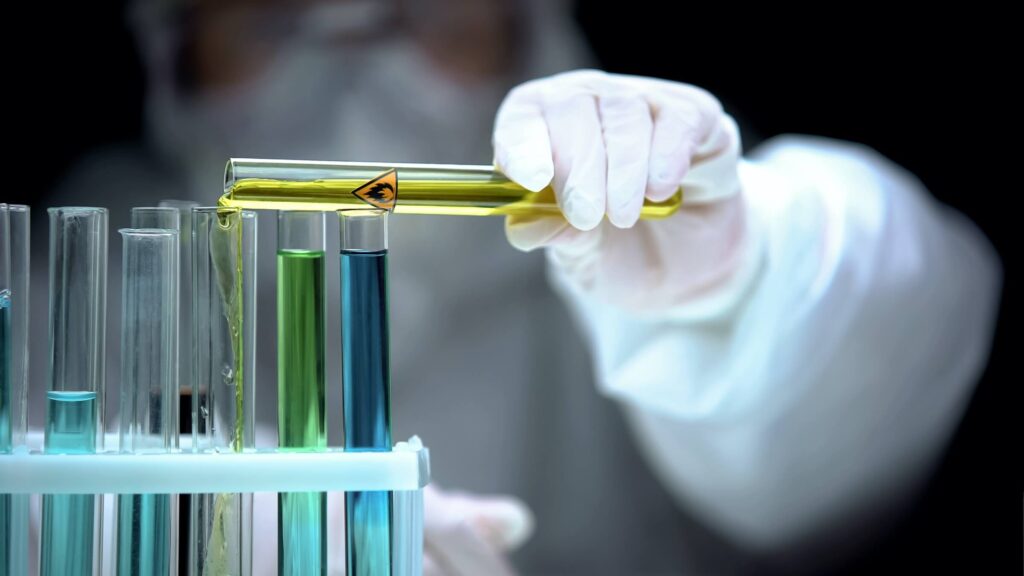
CMR substances in the workplace: recirculated air, exhaust air, and W3—what applies?

Was gilt bei KMR-Stoffen? Überblick zu Umluft vs. Abluft, W3-Zulassung bei Partikeln sowie Abluftführung oder Sensorüberwachung bei gasförmigen KMR-Stoffen.
Laser cleaning

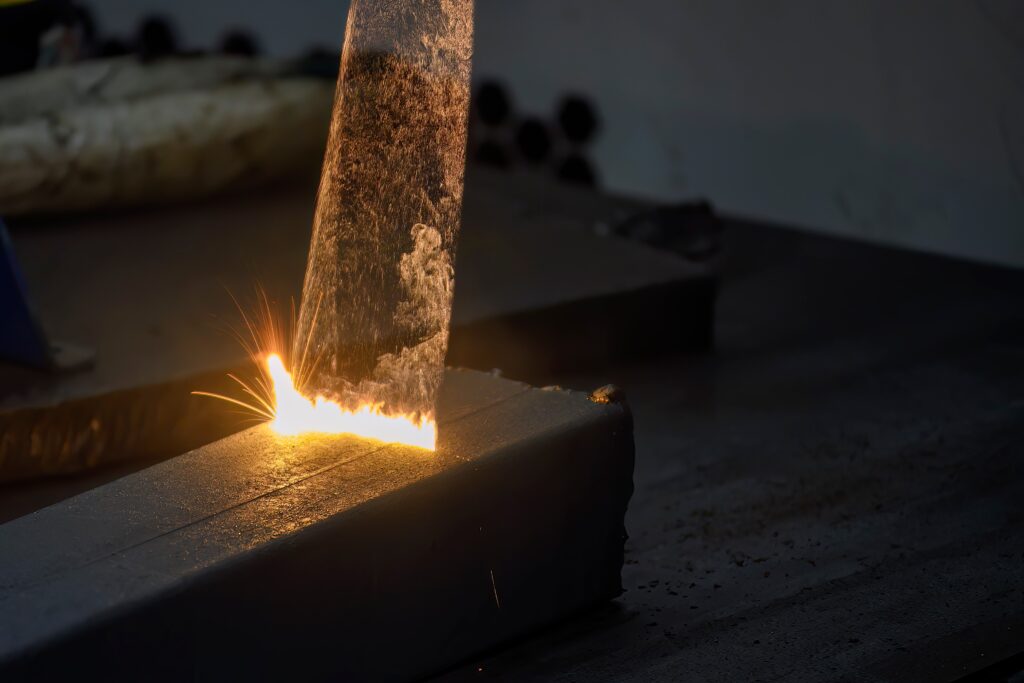
Laser Cleaning in Practice: When Extraction Becomes a Critical Success Factor

You are using Laser Cleaning – or planning to.The process works, the results are convincing, and the technology is considered clean, efficient, and economical. Precisely for this reason, one aspect is often addressed too late: the emissions generated during the process. No matter how established Laser Cleaning is in your company: the process is not […]

Occupational safety in everyday dermatological practice

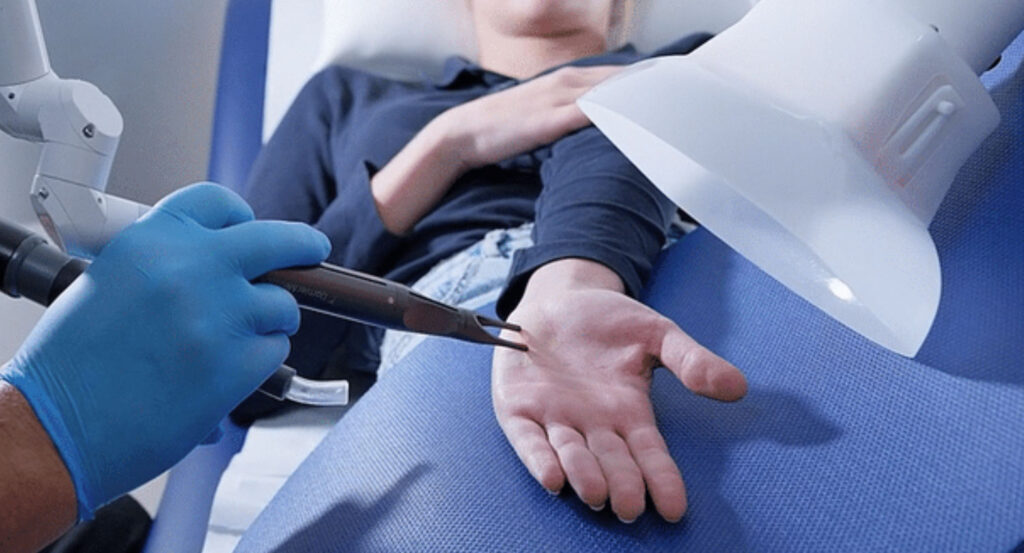
Formation of laser smoke in the treatment room In ablative CO₂ laser therapies, tissue is vaporized by thermal action. This produces surgical smoke gases (“laser plume”), which can consist of a mixture of fine and ultrafine, respirable particles and biological components as well as gaseous substances. Scientific studies show that a significant proportion of the […]

Adsorption with activated carbon: How activated carbon purifies the air

Adsorption with activated carbon explained simply: Why activated carbon has a huge surface area, how molecules physically adhere—and where activated carbon filters are used for VOCs, vapors, odors, and smoke.
Luft mit Feinstaub sichtbar in einem Raum

Cancer risk from fine dust in production

Differences Between Tumors and Cancer, Development, and Health Risks Cancer is one of the most common causes of death in Germany and ranks second after cardiovascular diseases. Fine dust particles pose a particular danger, as they are generated in many industrial processes—such as laser cutting, welding, or the processing of metals and plastics. While fine […]