


TBH-Blog
Welcome to the TBH blog! Here you will find the latest news, exciting projects, and practical insights into the world of extraction and filter technology.
Wir berichten über Messen, Innovationen, Branchenentwicklungen und geben Tipps für den optimalen Einsatz unserer Systeme.
Occupational safety in everyday dermatological practice
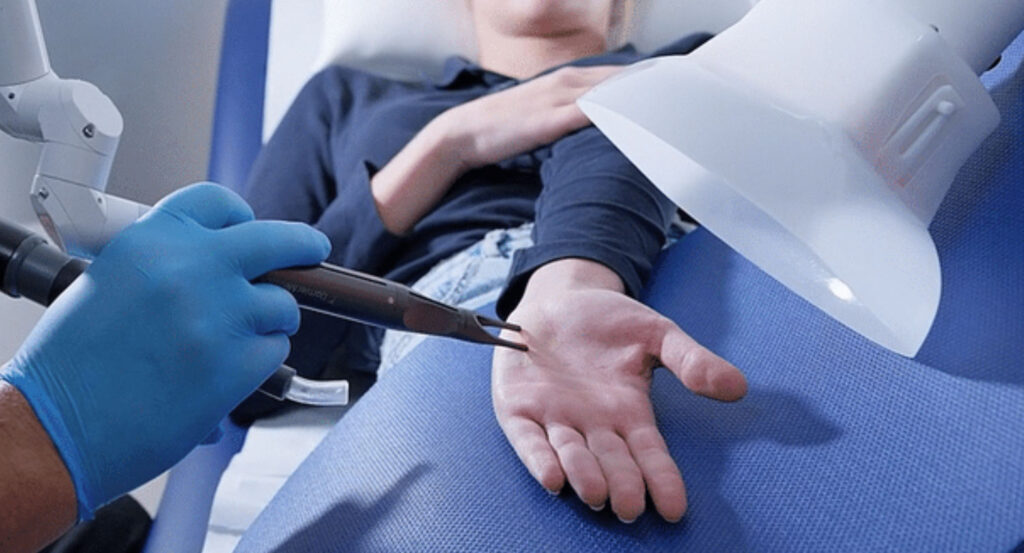
How laser plume forms in the treatment room, which occupational safety issues arise from it and why technical extraction is a sensible measure is outlined in this article.
Adsorption with activated carbon: How activated carbon purifies the air
Adsorption with activated carbon explained simply: Why activated carbon has a huge surface area, how molecules physically adhere—and where activated carbon filters are used for VOCs, vapors, odors, and smoke.
Cancer risk from fine dust in production
How fine dust is generated in production, what risks it poses and why early action is crucial for occupational safety and process reliability is explained in this article.
ATEX for non-metallic dusts: Explosion protection can be planned
ATEX is mandatory for non-metallic dusts – and can be easily planned with the right structure: assess zones and risks, design a suitable extraction solution (e.g., FP 200 ATEX), and document the entire system clearly – including a sample explosion protection document.
Is there a guideline for air quality?
EU Directive 2024/2881 sets clear limits for pollutants in the air. Read on to find out what this means for businesses and what rules apply in the workplace.
Preventing fires in filter systems: Using spark extinguishers correctly
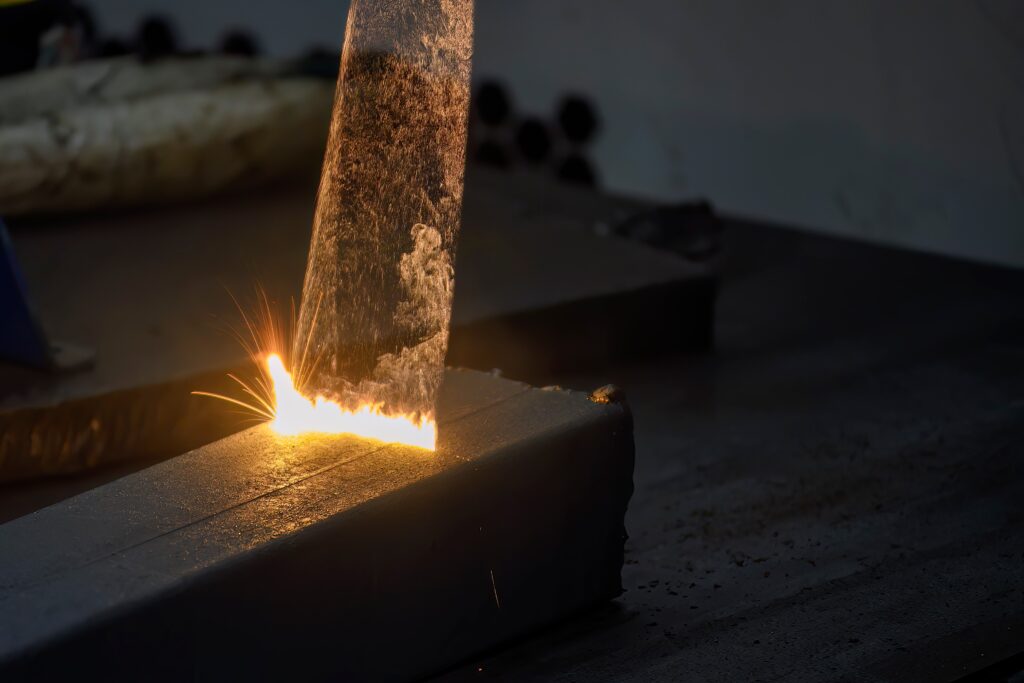
During welding, grinding, or thermal cutting, glowing particles enter pipes and filter systems—and can cause fires. Learn how fires start, why spark arrestors are effective, and what is important when it comes to selection, installation position, and maintenance.
Recirculating air or exhaust air in extraction technology: How to make the right decision
Recirculation or exhaust air—which operating mode is right for your extraction and filter system? Learn how the two concepts differ and which factors are decisive in practice: material profile, process peaks, ventilation situation, maintenance, and operational safety. Includes checklist.
HEPA filter replacement TBH extraction system
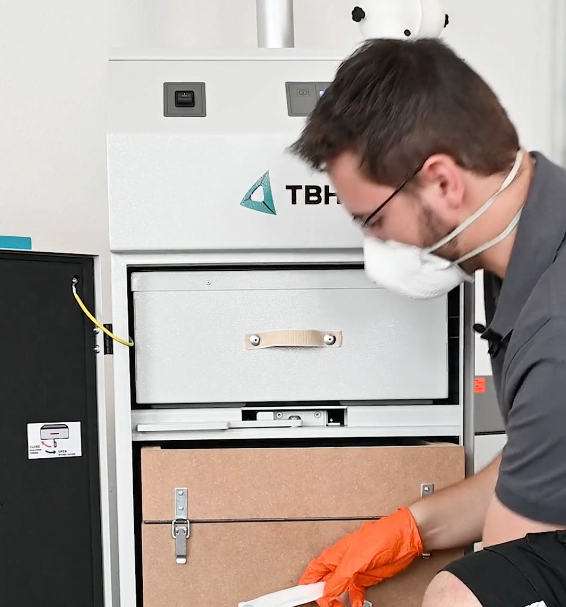
When the suction power decreases or the display indicates that the filter needs to be replaced, it's time to take action. Learn how to safely replace the HEPA particle filter in your TBH extraction system using PPE, dispose of it properly, and document the replacement—for lasting optimal performance and reliable occupational safety.
Changing activated carbon filters: When should this be done for the TBH extraction system?
When does the activated carbon filter in your TBH extraction system need to be replaced? Typical signs include odors despite the system being in operation, rising readings, or at least once a year. This ensures air quality, occupational safety, and compliance.